
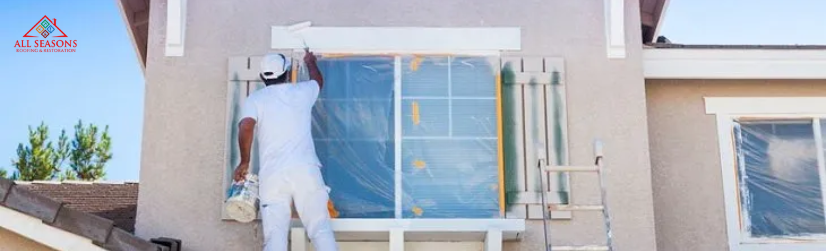
To put it another way, let’s say you find the ideal paint for remaking your shutters, and you decide to use the bottom of the can to paint a little stool in your living room; you should know this is a bad choice.
Unlike in other industries, the distinction between interior and exterior paints in the paint store isn’t just coincidental or the result of clever marketing.
Insecticides, for example, are often found in exterior paints, which might be harmful if transported within. Interior paints, on the other hand, lack UV and humidity resistant components, making them unsuitable for outdoor application. For Soffit Replacement in Cheyenne it works fine.
Acrylic or glycerin-based paints, which is better?
Using oil-based paints indoors necessitates appropriate ventilation due to the strong odor they emit. These paints include volatile organic chemicals, which are detrimental to both the environment and human health. Because of this, they include solvents that act as a preservative while you wait to use the paint; they keep the paint liquid in the pot and allow it to dry once it has been distributed owing to the evaporation of the solvents. For Exterior and Interior Painting Specialists in Cheyenne it works fine.